
Diabetic Foot Checks in Malvern
Diabetes can affect the nerves and blood vessels supplying the feet. This may reduce sensation, restrict circulation and make it more difficult for injuries or infections to heal.
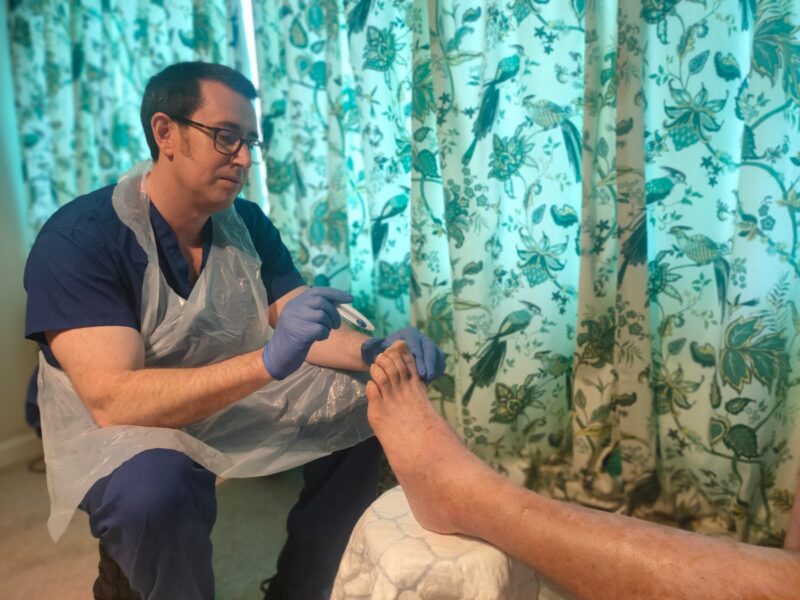
Regular diabetic foot checks can help identify changes at an early stage, before they develop into more serious problems. Heeling Your Soles provides comprehensive diabetic foot assessments in patients’ homes throughout Malvern and the surrounding area.
Why Are Diabetic Foot Checks Important?
People living with diabetes may not always notice cuts, blisters, pressure damage or other injuries to their feet. Reduced sensation can prevent pain from acting as an early warning, while impaired circulation may delay healing.
Potential complications can include:
- Numbness or tingling
- Dry or cracked skin
- Blisters and pressure damage
- Corns and calluses
- Fungal infections
- Wounds and ulcers
- Changes to the shape of the foot
- Slow-healing infections
Early identification and appropriate foot care can reduce the risk of these concerns becoming more serious.
What Happens During a Diabetic Foot Check?
Your appointment begins with a review of your general health and diabetes management. You will also be asked whether you have experienced symptoms such as numbness, tingling, cramping or discomfort in your feet and lower legs.
The assessment may include the following.
Visual Foot Assessment
Your feet will be carefully inspected for signs including:
- Dry or cracked skin
- Blisters
- Corns and calluses
- Fungal infections
- Wounds or ulcers
- Swelling
- Changes in colour
- Foot or toe deformities
Neurological Assessment
A neurological assessment helps determine whether there has been any reduction in sensation or protective responses.
This may include a monofilament test, during which a fine testing filament is gently applied to specific areas of the foot. The assessment helps establish whether you can reliably feel pressure in areas that may be at risk of injury.
Circulation Assessment
The blood supply to your feet may also be assessed by checking pulses and evaluating peripheral circulation.
Where appropriate, a handheld Doppler ultrasound device may be used to make the blood flow through the arteries audible, helping provide additional information about the quality of circulation.
A capillary refill test may also be performed by briefly applying pressure to the toes and observing how quickly their normal colour returns.
What Happens After the Assessment?
Once the check has been completed, the findings will be explained to you. You will receive practical advice about caring for your feet, reducing avoidable risks and recognising changes that may require further attention.
Where a concern falls outside the practitioner’s scope of practice, you will be advised to contact an appropriate healthcare professional.
How Often Should Diabetic Feet Be Checked?
The appropriate frequency depends on your general health, diabetes control and individual risk factors. Regular professional checks can complement, but should not replace, your routine NHS diabetic reviews or advice from your GP or diabetes team.
Treatments
Professional mobile foot care treatments in Malvern, delivered in the comfort of your own home.