Corn and Callus Treatment in Malvern
Corns and calluses develop when areas of the feet are exposed to repeated pressure or friction. Although both involve thickened skin, they have different characteristics and may require different approaches to treatment.
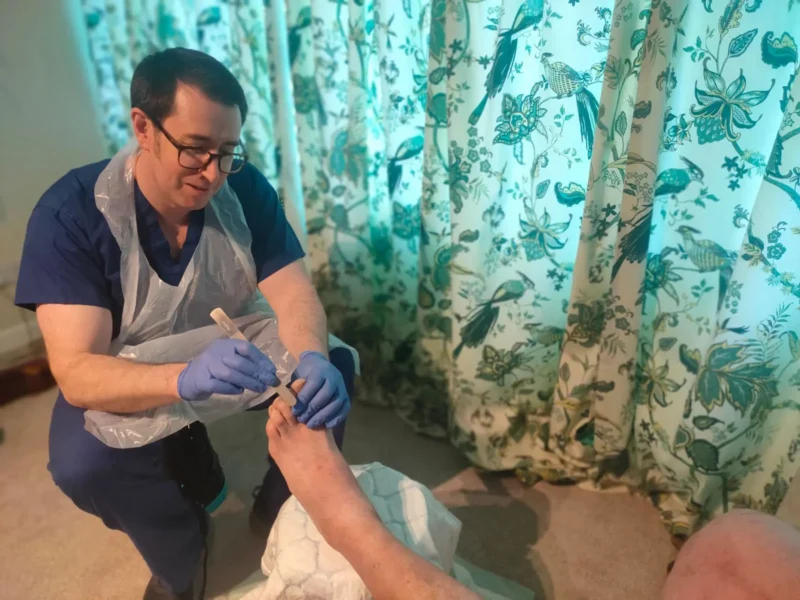
Heeling Your Soles provides professional corn and callus treatment during home visits throughout Malvern and the surrounding area.
What Is a Callus?
A callus is a broad area of hardened, thickened skin. It often appears yellowish and is generally fairly even in thickness.
Calluses commonly develop on:
- The heels
- The balls of the feet
- The sides of the big toes
- Areas underneath prominent joints
- Places exposed to repeated rubbing or pressure
Some calluses cause no discomfort, while others may become painful, cracked or excessively thick.
What Is a Corn?
A corn is usually smaller and more concentrated than a callus. It contains a dense central core that can press into the deeper layers of the skin and cause considerable pain.
Hard corns commonly develop on the tops or sides of the toes and on other areas exposed to pressure.
Soft corns form between the toes, where trapped moisture causes the surrounding skin to become pale, soft and rubbery.
What Causes Corns and Calluses?
The leading cause is excessive pressure or friction, often associated with unsuitable footwear.
Other contributing factors can include:
- Shoes that are too tight or narrow
- Shallow toe boxes
- Hard seams inside footwear
- High heels
- Flat feet
- High arches
- Bunions
- Hammer toes
- Uneven weight distribution
- Changes in walking pattern
- Prolonged standing or walking
How Are Corns and Calluses Treated?
Treatment begins by identifying the likely source of pressure.
Professional care may include:
- Safe reduction of thickened callus
- Careful removal of a painful corn
- Padding to relieve or redistribute pressure
- Advice about suitable footwear
- Recommendations for cushioned insoles
- Guidance on preventing recurrence
- Regular maintenance where necessary
Removing a painful corn can often provide prompt relief. However, the corn may return unless the underlying pressure or friction is also addressed.
Can I Cut a Corn Out Myself?
You should not attempt to cut a corn or callus using blades, scissors or other sharp instruments. This creates a risk of injury and infection, particularly if you have diabetes, poor circulation or reduced sensation.
Medicated corn plasters may also damage healthy surrounding skin and are not suitable for everyone.
What Footwear Is Best?
Shoes should provide:
- Sufficient width and toe room
- Soft, breathable materials
- Good cushioning
- Shock absorption
- Appropriate arch support
- Even weight distribution
- Minimal rubbing over prominent joints
Treatments
Professional mobile foot care treatments in Malvern, delivered in the comfort of your own home.
Book Corn and Callus Treatment at Home
Contact Heeling Your Soles for professional corn and callus treatment in Malvern and the surrounding area.